Protecting Your Head
In hockey, your helmet is your most critical piece of safety gear. Never buy a used helmet, as you can't be sure of its impact history.
Sizing and Fit
A helmet should sit about one finger-width above your eyebrows. It should be snug enough that it doesn't shift when you shake your head, but not so tight that it causes a headache. Most helmets are adjustable via side screws or tool-less clips.
Certification Labels
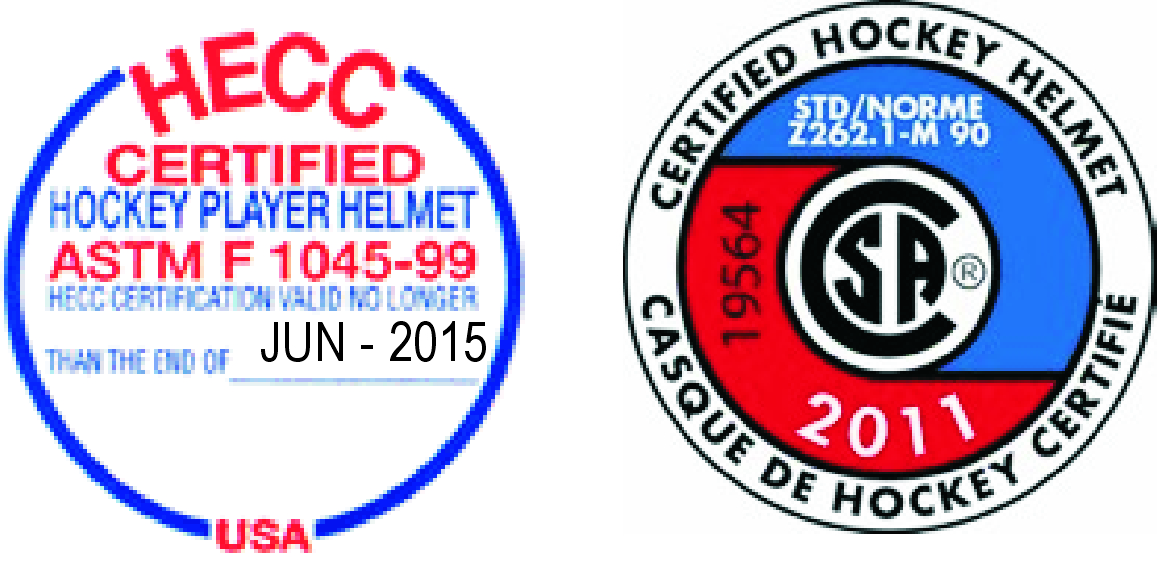
Look for HECC (Hockey Equipment Certification Council) and CSA stickers on the back. These certifications expire, so check the dates to ensure your "bucket" is still compliant with league safety standards.
Cage vs. Shield
For beginners and youth players, a full metal cage is highly recommended for maximum facial protection. As you progress into adult rec, some prefer a "fishbowl" (full plastic shield) for better visibility, or a half-visor.